
Solving EV Charging Station Design Challenges: Thermal Interface Materials and EMI Shielding Solutions
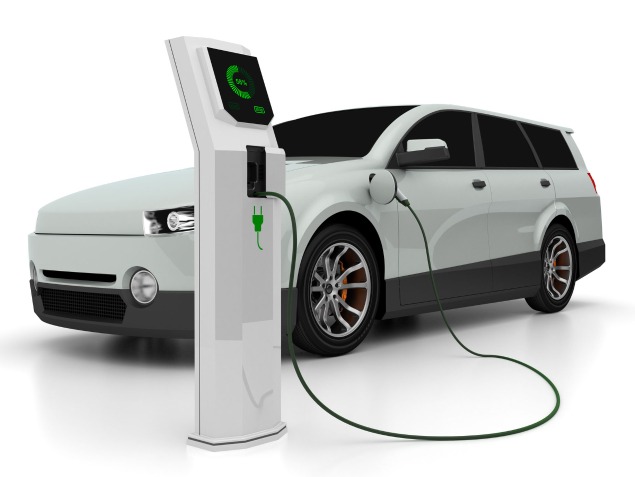
Electric vehicle (EV) battery charging stations, also known as EV charging stations or EVSE (Electric Vehicle Supply Equipment), consist of various electronic components and systems that work together to safely and efficiently charge the batteries of electric vehicles. Like most modern, high power electronics, these devices must overcome challenges associate with thermal management and electromagnetic interference (EMI) shielding in order to operate properly and effectively. In this article we will breakdown the common components of EV charging stations and present solutions to common electrical design challenges.
1. Power Conversion Systems: EV charging stations utilize power conversion systems, such as AC/DC converters or DC/DC converters, to convert the input power (from the grid or a renewable energy source) to the appropriate voltage and current levels required to charge the EV batteries.
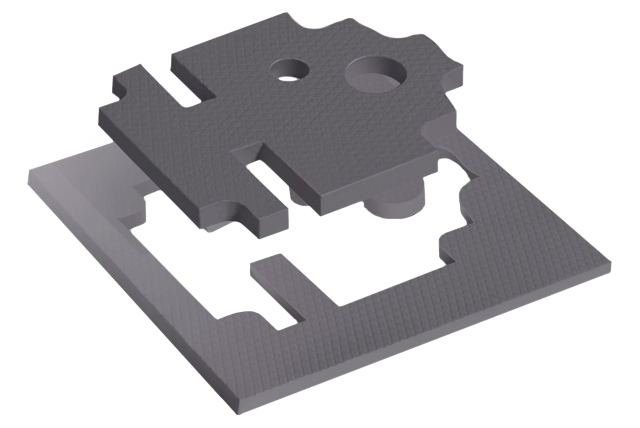
AC/DC converters (also known as rectifiers) generate tremendous amounts of heat and must utilize some sort of cooling feature, often in the form of passive cooling. Thermal Gap Pads or Dielectric/Electrical Insulator Pads provide durability while providing high levels of thermal conductivity to displace air within electronic components
2. Charging Controllers: Charging controllers manage the overall charging process, including communication between the charging station and the vehicle, monitoring the charging progress, and adjusting the charging parameters as needed to ensure safe and efficient charging.
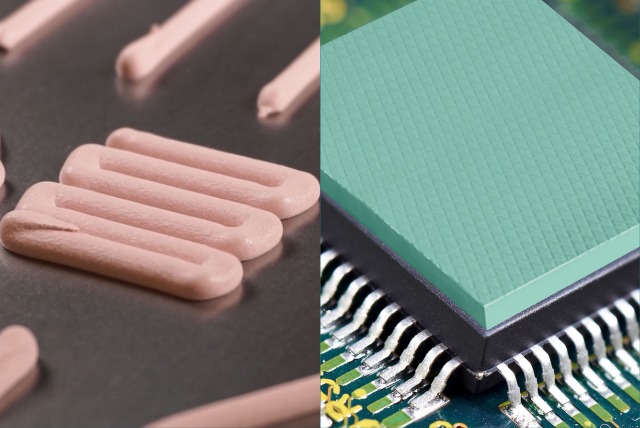
The process of regulating and measuring current or voltage levels in and of itself generates heat that should ideally be dissipated to not disrupt the monitoring process. Thermal gels are great solutions for cooling of specific heat generating components on the printed circuit boards (PCBs) of controllers.
3. Communication Modules: EV charging stations often incorporate communication modules (such as Wi-Fi, Ethernet, or cellular connectivity) to enable remote monitoring, control, and diagnostics, as well as to support billing, payment, and other networked services.
Wherever wireless (or wired) communication is present, EMI shielding must be considered. For environmentally protected solutions, conductive foam solutions and board level shielding are economical and simple solutions for meeting EMC compliance. Devices that communicate information such as diagnostics or payment information but be especially careful of harmful interference.
4. Safety and Protection Systems: Various safety and protection systems are integrated into EV charging stations to ensure the safe operation of the equipment and protect both the user and the vehicle. These systems may include ground fault circuit interrupters (GFCI), overcurrent protection, overvoltage protection, and temperature monitoring sensors.
Grounding occurs at nearly every level of electronic device integration within an EV charging station. For sensor and monitoring equipment, fabric-over-foam gasketing is used to provide a reference voltage and mitigate signal noise.
5. Energy Metering: EV charging stations typically include energy metering components that measure and record the energy consumption during the charging process. This data can be used for billing purposes, energy management, and usage analysis.
Like charging controllers and communication modules, these meters must be properly cooled and shielded for proper long-term reliability.
6. Enclosure and EMI Shielding: EV charging stations are housed in enclosures that protect the internal components from environmental factors (e.g., weather, dust, and moisture). Additionally, EMI shielding materials may be used to prevent electromagnetic interference from affecting the performance of the electronics within the charging station.
EV Charging stations come in nearly every shape, size, and color but every single one is tested to rigorous industry standards. Enclosures must not only protect the valuable internal electronics from the environment but also from stray signals coming from telecom equipment, nearby vehicles, cell phones, and other devices. Conductive elastomer gaskets provide the perfect combination of environmental sealing and EMI shielding, able to protect devices from driving wind and rain, and even harsh chemicals. Conductive plastic housings provide design flexibility for individual electronic modules within the device while specialty materials such as conductive coatings and sealants provide an additional layer of shielding at interfaces.
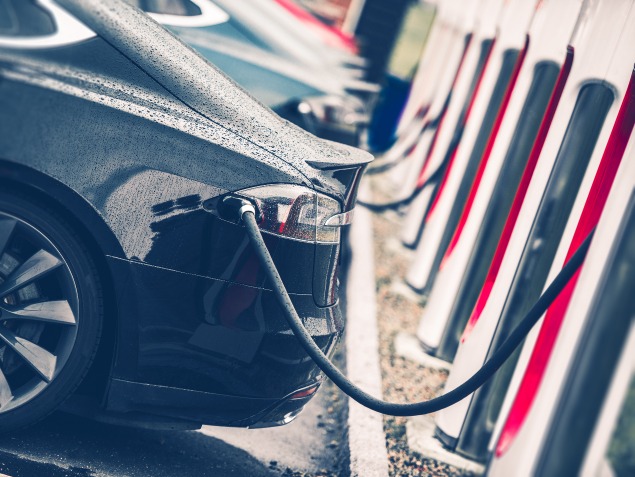
7. Cooling Systems: Some high-power EV charging stations, particularly those that support fast charging, may include active or passive cooling systems to manage the heat generated by the electronic components during the charging process, ensuring the reliability and longevity of the equipment.
Passive cooling systems utilize thermal interface materials to displace air and create the most effective path for heat flow while accommodating mechanical considerations such as manufacturing and assembly tolerances.
Solution Recap:
Thermal Interface Materials
- Thermal Gap Filler Pads
- Durable, low hardness, high conductivity thermal solutions able to be cut to custom sizes for heat transfer in power electronics and electronic modules.
- Thermal Gels (Dispensable Gap Fillers)
- Dispensable, one component, fully cure (no secondary cure required), thermal interface materials that have been tested to rigorous environmental conditions and that can be utilized in small gaps or vertical applications.
- Electrical Insulator Pads (Dielectric Pads)
- Tear-resistant, puncture resistant, thermal interface materials for power electronic cooling and long-term reliability.
EMI Shielding Solutions
- Electrically Conductive Elastomer Gaskets
- Elastomeric gaskets consisting of silicone/fluorosilicone/EPDM binders with conductive fillers meant for high levels of EMI shielding, very low contact resistance grounding, and environmental sealing
- Conductive Foam / Fabric-Over-Foam Gaskets
- Economical EMI shielding and grounding solutions for protected electronics
- Conductive Plastics
- Conductive injection molded plastics that provide EMI shielding, RF absorption, harsh fluid resistance, and physical impact resistance
- Board Level Shielding
- Highly customizable board level shielding for minimizing cross talk or interference at the PCB level.
- Conductive Coatings and Sealants
- Electrically conductive specialty materials meant to shield non-conductive housings and ensure a continuous conductive path at housing interfaces
These are just a few examples of the types of electronics commonly found in EV battery charging stations. The specific components and systems may vary depending on the charging station's design, power output, and features but all must take into account Thermal Management and EMI Shielding.

Ben Nudelman
Global Market Manager
Parker Chomerics
THERM-A-GAP PAD 80
Parker Chomerics THERM-A-GAP™ PAD 80 Thermally Conductive Gap Filler Pads provide a low hardness (35 Shore 00) solution with 8.3 W/m-K of thermal conductivity. Learn More.
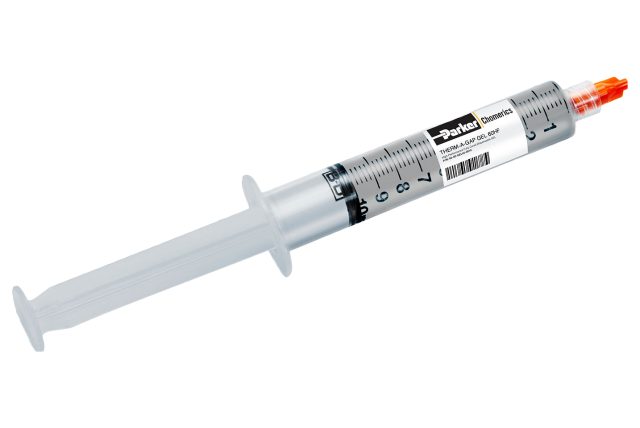
THERM-A-GAP GEL 60HF
THERM-A-GAP GEL 60HF is part of the Parker Chomerics family of fully cured, one component, silicone-based, dispensable thermal interface materials. With a 6.2 W/m-K thermal conductivity, it is designed for high performance heat transfer from electronics components to cooling features and meant to be used across industries and applications. Learn more.
©Parker Chomerics 2025
